Christopher Nolan has spent much of his career finding ways to make familiar stories feel larger, more ambitious, and more cinematic. Whether he’s exploring the depths of space, the complexities of time, or the consequences of obsession, there’s always a sense that he’s trying to give audiences something they haven’t quite experienced before. With The Odyssey, Nolan takes on one of the greatest stories ever told, and the result is a massive cinematic undertaking that feels perfectly suited to his filmmaking sensibilities.
Based on Homer’s ancient Greek epic, the film follows Odysseus (Matt Damon), king of Ithaca, as he attempts to make his way home following the Trojan War. What should be a journey home becomes a seemingly endless struggle against the gods, the elements, and a series of extraordinary creatures and obstacles. Along the way, Odysseus encounters the Cyclops, the Sirens, and other figures drawn from mythology, while back in Ithaca, his wife Penelope (Anne Hathaway) and son Telemachus (Tom Holland) struggle to hold their home together as unwanted suitors begin closing in.
It’s an enormous story to bring to the screen, and Nolan approaches it with the kind of scale and ambition we’ve come to expect. Rather than simply presenting a collection of mythological encounters, he gives the journey a sense of exhaustion and consequence. This isn’t just about a warrior battling monsters and surviving impossible situations. It’s about a man who has spent years fighting to return to the people he loves, slowly losing pieces of himself along the way. That emotional foundation is what gives the film its weight.
Matt Damon is an excellent choice for Odysseus. There’s a weariness to his performance that becomes increasingly important as the journey progresses. He isn’t playing an invincible hero who effortlessly overcomes every obstacle. He’s a man carrying the burden of everything he’s experienced, and Damon brings a convincing combination of determination, pride, vulnerability, and desperation to the role. His performance gives the film a human center, even when the story reaches its most fantastical moments.
The supporting cast is equally impressive. Anne Hathaway brings strength and emotional restraint to Penelope, while Tom Holland gives Telemachus the uncertainty and frustration of a son who has grown up without his father. Robert Pattinson makes an interesting impression as Antinous, and the larger ensemble, including Zendaya, Lupita Nyong’o, Samantha Morton, and Charlize Theron, helps fill out this sprawling world. There are so many recognizable faces that some characters inevitably receive less time than others, but the performances generally make the most of what they’re given.
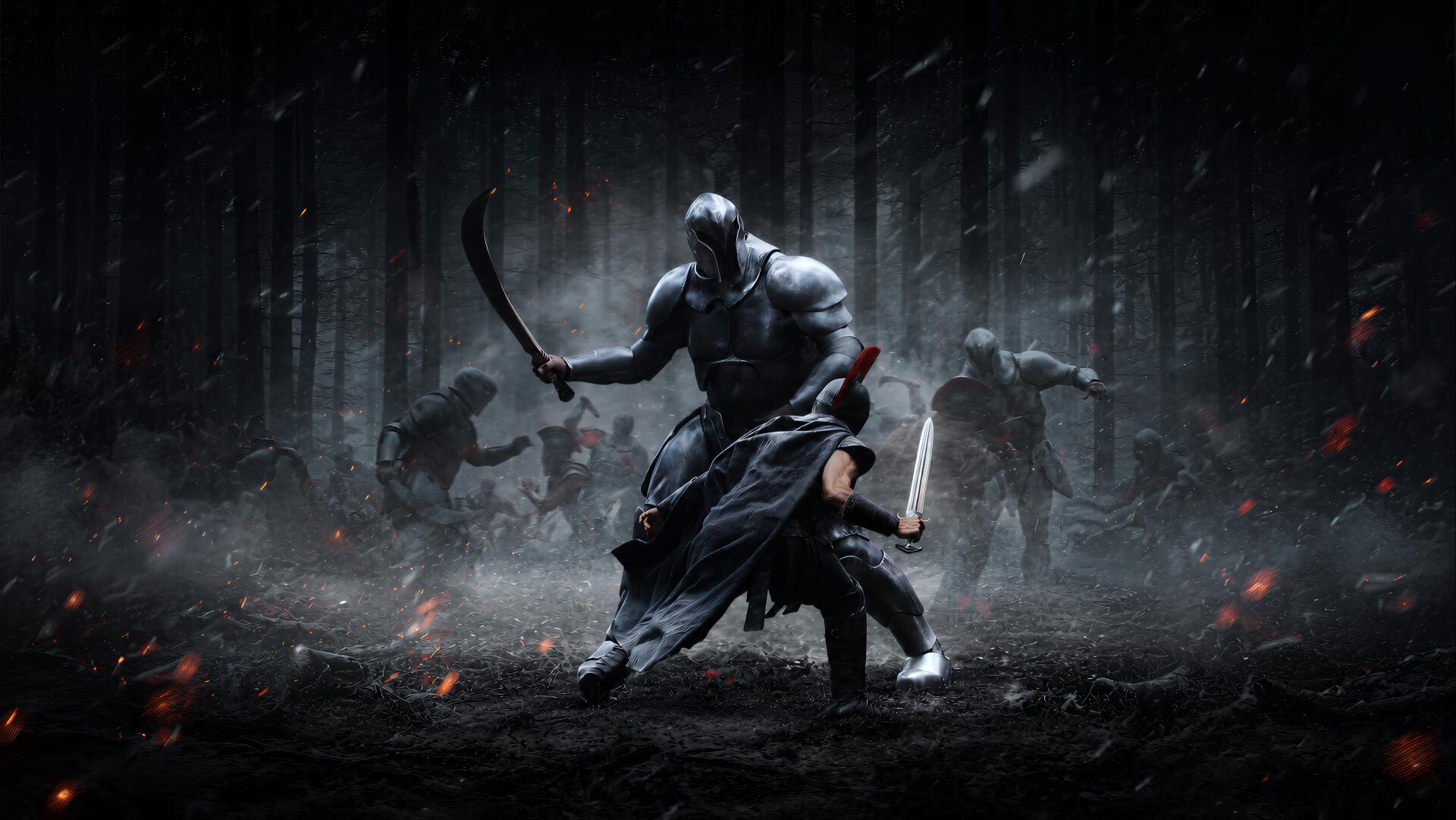
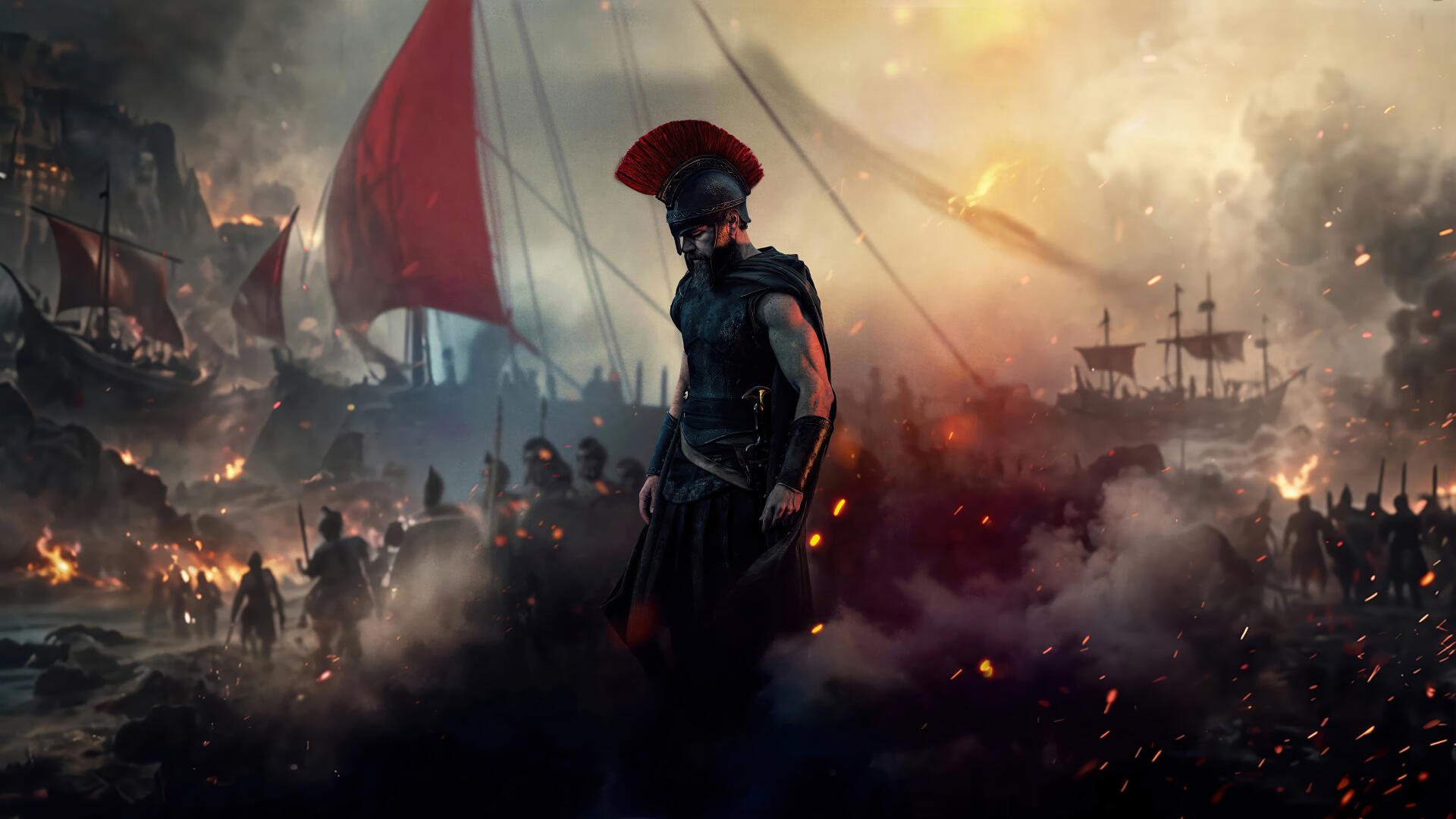
What I appreciate most about Nolan’s approach is that he doesn’t seem interested in making the mythology feel like a fantasy adventure built entirely around spectacle. The film has its enormous set pieces, but there’s a grounded quality to the filmmaking that makes the world feel tangible. The ships, costumes, locations, and environments have a physical presence that helps sell the extraordinary elements of the story. Nolan’s commitment to practical filmmaking and large-format photography is evident throughout, and Hoyte van Hoytema’s cinematography gives the film an impressive sense of scale.
That said, The Odyssey is not without its challenges. At nearly three hours, it asks a great deal of its audience, and the episodic nature of the source material can make portions of the journey feel more disconnected than others. There are stretches where the spectacle is more compelling than the emotional development, and not every encounter carries the same impact. Still, I found the ambition difficult to dismiss. Nolan is attempting something on a scale that few modern filmmakers would even consider, and even when the film doesn’t completely connect, there’s something exciting about watching a filmmaker take this kind of swing.
Ultimately, The Odyssey is another reminder of why Nolan remains one of the most distinctive filmmakers working today. It may not be as emotionally immediate as some of his previous films, but its scope, craftsmanship, performances, and willingness to embrace the theatrical experience make it a remarkable piece of filmmaking. It’s a story about the struggle to find one’s way home, but also about what that journey takes from a person. That gives the film a meaningful foundation beneath all the spectacle.
Presentation
Shot entirely on 65mm IMAX film, The Odyssey makes its way to 4K UHD with a presentation that delivers some truly exceptional image quality. The level of detail is outstanding for much of the film, and the transfer captures the impressive clarity and texture of Nolan and van Hoytema’s large-format photography. Close-ups reveal facial imperfections, individual strands of hair, the fine details in costumes, and the intricate work that went into the production design. There is a remarkable amount of information throughout the image, and the environments have a natural depth that makes everything feel wonderfully tangible.
For approximately 90 percent of the film, this is an incredibly sharp and detailed presentation. The landscapes, ships, armor, costumes, and elaborate sets all benefit from the added resolution. The image has a level of precision that makes it easy to appreciate the craftsmanship behind the production, and the natural appearance of the photography is preserved rather than being pushed toward an artificially crisp digital look.
A very light layer of natural film grain is also visible throughout. It’s never distracting, but it provides just enough texture to keep the image from looking overly clean or digital. I always appreciate when a 4K presentation respects the original photographic characteristics of a film, and this transfer does a nice job maintaining that organic appearance.
The visual effects are another positive. The 6K-generated effects generally blend well with the live-action photography, and the combination of practical filmmaking and digital work helps create a convincing world. The Cyclops is one of the more noticeable exceptions, with certain shots looking a little artificial, but overall the effects hold up well. Considering the scale of the mythology being brought to life, there is plenty to admire here.
Unfortunately, the presentation isn’t quite the reference-quality experience I was hoping for. The biggest problem is the black levels, which frequently appear more gray than black. This is particularly noticeable in darker sequences, with the Cyclops’ cave being one of the more obvious examples. Instead of delivering deep, convincing blacks with strong separation and dimensionality, darker portions of the image can become large patches of gray. Shadow detail is also lacking at times, and the overall image loses some of the depth and contrast that should be present in these scenes.
It’s disappointing because the detail is so impressive elsewhere. A presentation can be incredibly sharp, but if the black levels and shadow detail aren’t where they should be, the image never quite reaches its full potential. This is the one issue that consistently holds the transfer back.
Dolby Vision and HDR are surprisingly subdued as well. With reported MaxCLL and MaxFALL measurements of 97 and 55, respectively, this isn’t the kind of presentation that delivers particularly aggressive highlights or a dramatic HDR boost. The color palette remains natural and restrained, with earthy tones dominating the photography. Muted reds, blues, greens, grays, and blacks are used throughout, and the image generally maintains the intended look rather than pushing colors toward excessive saturation.
I actually appreciate the decision to preserve the natural appearance of the photography. The film doesn’t need to look artificially vibrant, and the restrained palette suits the world Nolan has created. However, I would have liked to see a little more impact from the HDR presentation, particularly in the brighter outdoor sequences and moments where the film could have benefited from greater contrast.
One of my bigger disappointments is the decision to present the entire film in a fixed 1.78:1 aspect ratio. Considering that The Odyssey was shot entirely on 65mm IMAX film, I would have loved to see Nolan use changing aspect ratios throughout the film. Moving between a wider 2.39:1 presentation and expanded IMAX imagery during the larger sequences could have added another level of immersion to the home-video experience. The absence of the original 1.43:1 presentation is especially disappointing. A film this ambitious feels like the perfect opportunity to give viewers something closer to the full theatrical IMAX experience. (Maybe theres another physical release on the way?)
There is still a tremendous amount to appreciate with this transfer. The clarity, detail, natural film texture, and overall presentation are impressive, but the elevated blacks, limited shadow detail, restrained HDR, and fixed aspect ratio prevent this from being the definitive 4K release it could have been. It’s a very good presentation, just not the reference-quality experience I was hoping for.
Final Thoughts
The Odyssey is exactly the kind of film that reminds me why I continue to appreciate physical media. This is a massive cinematic production from a filmmaker who understands the importance of scale, image, sound, and the theatrical experience. While the movie itself may not connect with everyone in the same way, there’s no denying the ambition and craftsmanship behind it. Matt Damon delivers a strong central performance, the supporting cast is impressive, and Nolan brings a remarkable sense of physicality to a story filled with gods, monsters, and mythology.
The 4K UHD presentation is a little more complicated. The detail and clarity are excellent, and the natural film texture looks terrific, but the elevated black levels and lack of shadow detail are disappointing. The restrained HDR and decision to present the entire film in 1.78:1 also leave me wishing Universal had done more to make this the definitive home-video experience. The absence of a Dolby Atmos soundtrack is another missed opportunity.
Even with those shortcomings, The Odyssey is absolutely worth owning, especially for fans of Nolan and collectors who appreciate large-format filmmaking. It’s a visually impressive release that deserves a place in any serious 4K collection, even if the presentation doesn’t quite reach the heights I was expecting.
Have you seen it yet? Are you a fan of this movie? Let me know what you think in the comments below.
Cheers,
Matt.
While your here, check out more of my 4K & Blu-ray reviews. Even more, see the newest trailers, press releases and more on the rest of the site. Follow me for faster updates on Twitter and Instagram