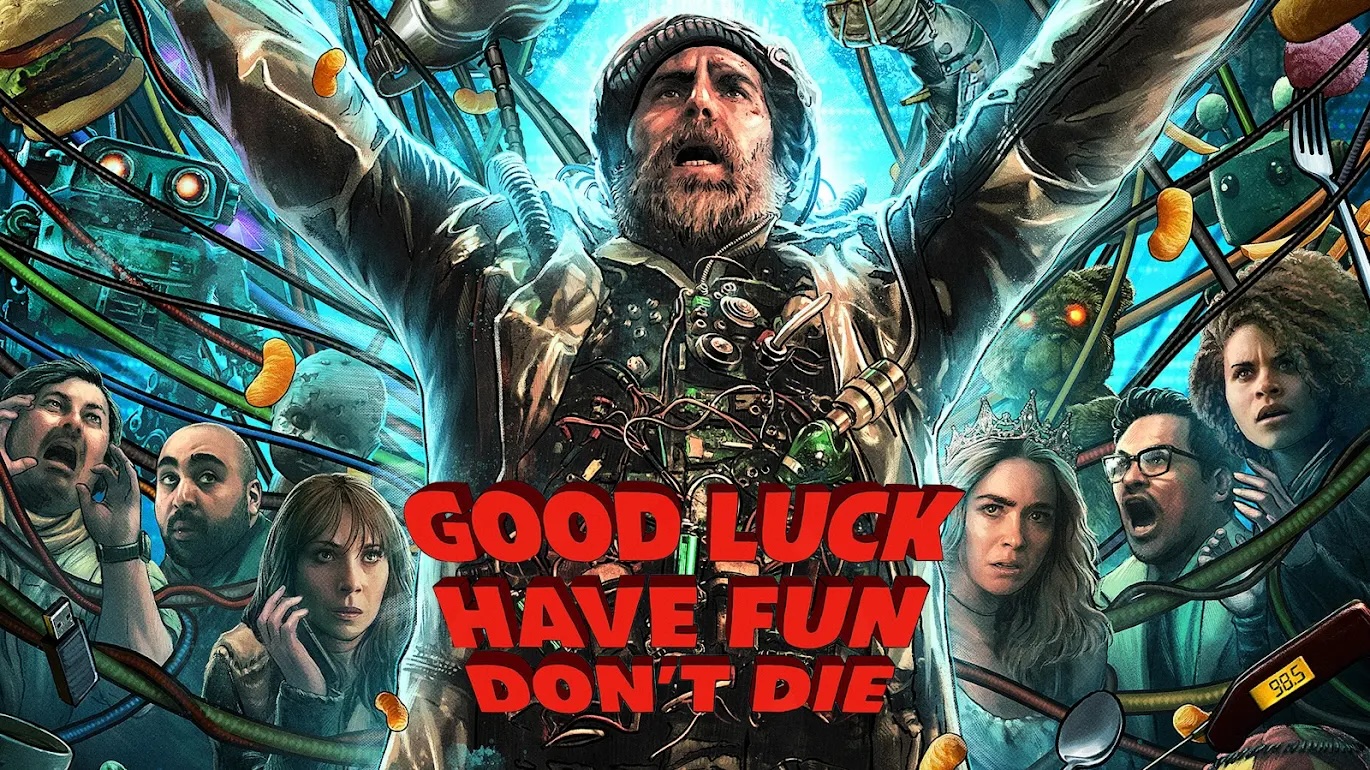
 There’s always a risk with modern sci-fi that the concept does all the heavy lifting while everything else; character, tone and emotional weight gets left behind. Good Luck, Have Fun, Don’t Die avoids that trap more than you might expect. It’s a film built on a high-concept premise, but what surprised me most watching it on 4K is how much of it actually sticks because of its atmosphere and underlying sense of unease rather than just the idea itself.
The story leans into familiar genre territory — time, consequence, cause and effect, but it filters all of that through a more grounded, almost melancholic lens. It’s not trying to overwhelm you with spectacle every five minutes. Instead, it lets things simmer. That restraint gives the film a slightly off-kilter tone that works in its favor, especially as the narrative starts looping in on itself and revealing more of what’s really at stake.
What I appreciated most this time around is how much the film trusts its audience. It doesn’t over-explain every mechanic or beat you over the head with exposition. There’s a confidence in how it unfolds, even when it gets a little messy or ambiguous. That ambiguity actually adds to the experience which it makes the world feel bigger, and the consequences feel heavier.
The performances help ground everything. Even when the plot leans into more abstract territory, the cast keeps things anchored in something human. There’s a quiet desperation running underneath a lot of the interactions, and it gives the film a bit more emotional weight than you might expect going in.
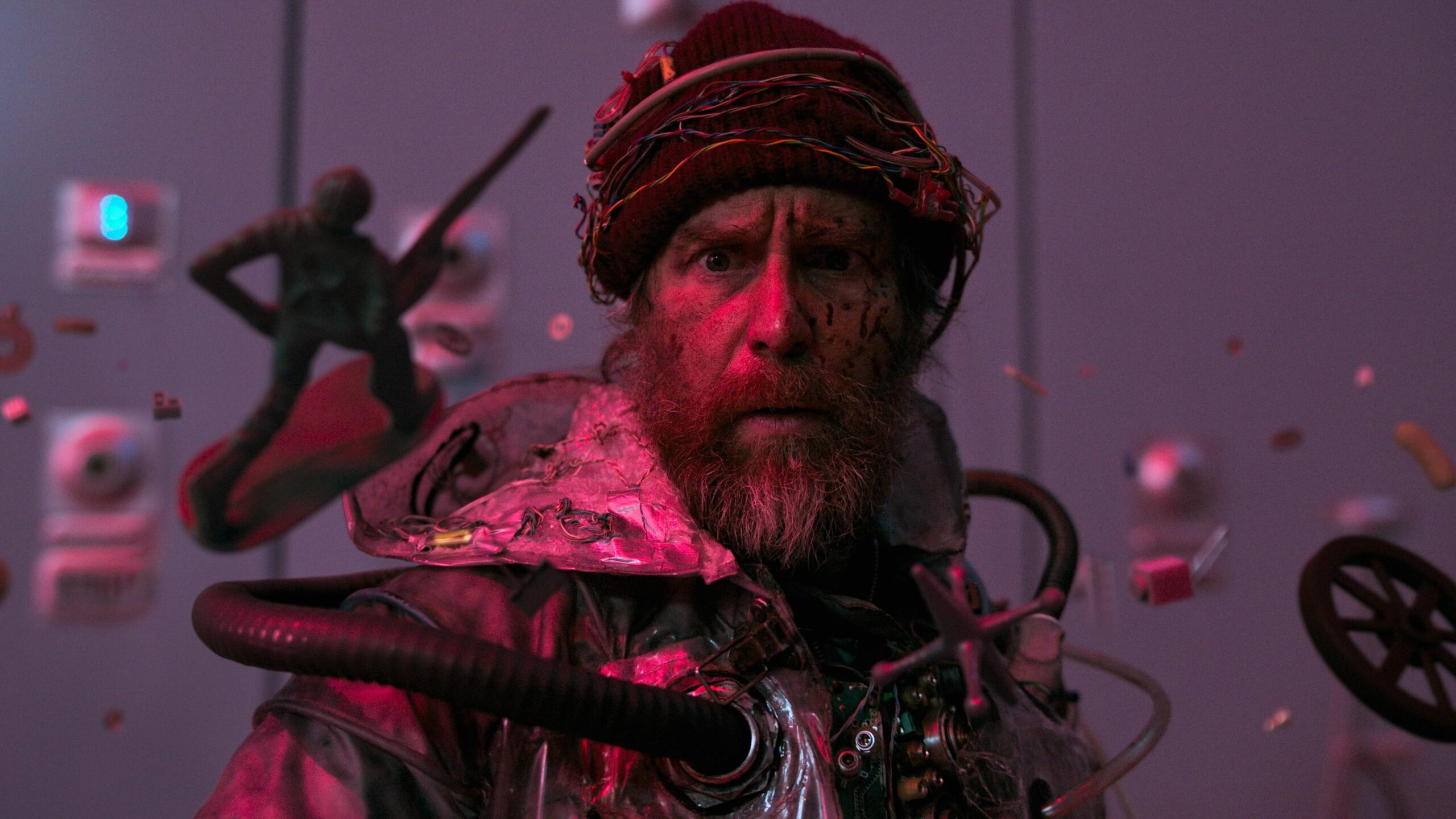
Where this new 4K UHD release really shines, though, is in how it enhances the film’s visual identity. Presented in 2160p with HDR grading, the upgrade isn’t about flash—it’s about refinement. The image has a noticeably cleaner, more resolved look compared to previous formats, with fine detail getting a solid boost across the board. Close-ups reveal more texture in faces and environments, while wider shots feel more dimensional and stable.
The HDR pass does a lot of heavy lifting in the best way. This is a film that leans heavily on contrast—bright, sterile tech environments against darker, more shadow-heavy spaces—and the added dynamic range helps bring that out. Blacks are deeper and more consistent, giving night scenes and interior sequences a stronger sense of depth, while highlights are better controlled, avoiding any harsh clipping even in brighter moments.
Color is handled with a nice amount of restraint. Nothing feels overly pushed or artificial. Instead, the palette feels more cohesive, with subtle gradations that give the image a more polished and filmic appearance. It’s especially noticeable in transitional lighting—those in-between moments where the film’s mood really lives. Grain structure (where applicable) is well preserved, and there’s no sense of over-processing. Everything feels natural, which is exactly what you want for a film like this. Compression is also rock-solid, with no noticeable artifacts even in more demanding scenes.
What really stands out, though, is how well the film holds up. It may not be perfect—there are moments where the pacing stumbles or the narrative feels a little too opaque—but there’s something undeniably compelling about it. It sticks with you, more because of its tone and ideas than any single standout scene.
This 4K release doesn’t reinvent the film, but it elevates it in all the right ways. It’s the best the movie has looked and sounded at home, and for a film that leans so heavily on atmosphere, that upgrade makes a real difference. If you already connected with it, this is an easy upgrade. And if you’re coming to it fresh, this presentation gives it the best possible shot to leave an impression.
Have you seen it yet? Are you a fan of this movie? Let me know what you think in the comments below.
Cheers,
Matt.
While your here, check out more of my 4K & Blu-ray reviews. Even more, see the newest trailers, press releases, music and more on the rest of the site. Follow me for faster updates on Twitter and Instagram